

The Learning Zone
Practical design, formatting, and editorial guidance for authors and publishers bringing a book to print.
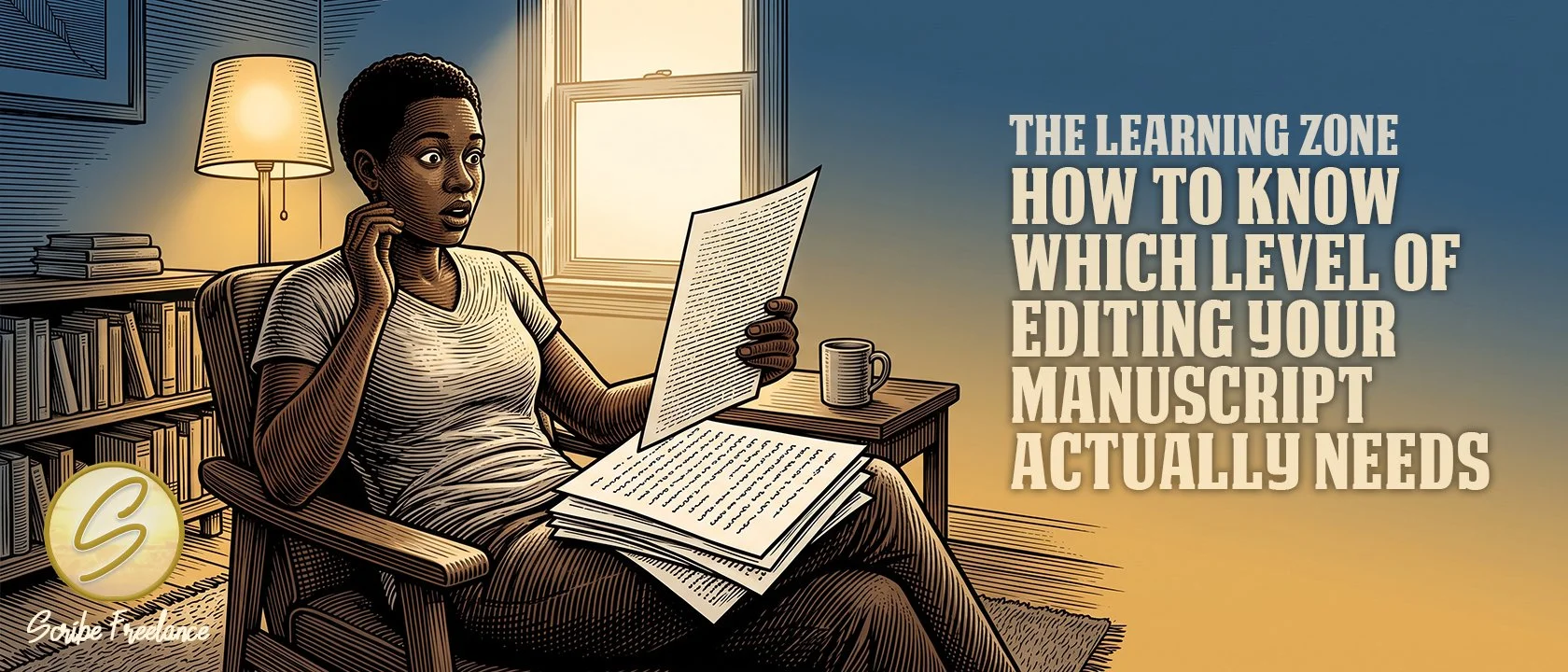
How to Know Which Level of Editing Your Manuscript Actually Needs
Most authors default to “proofread” out of habit, not diagnosis. Here’s a two-minute self-check to run before requesting a quote, and the real signal that says otherwise.
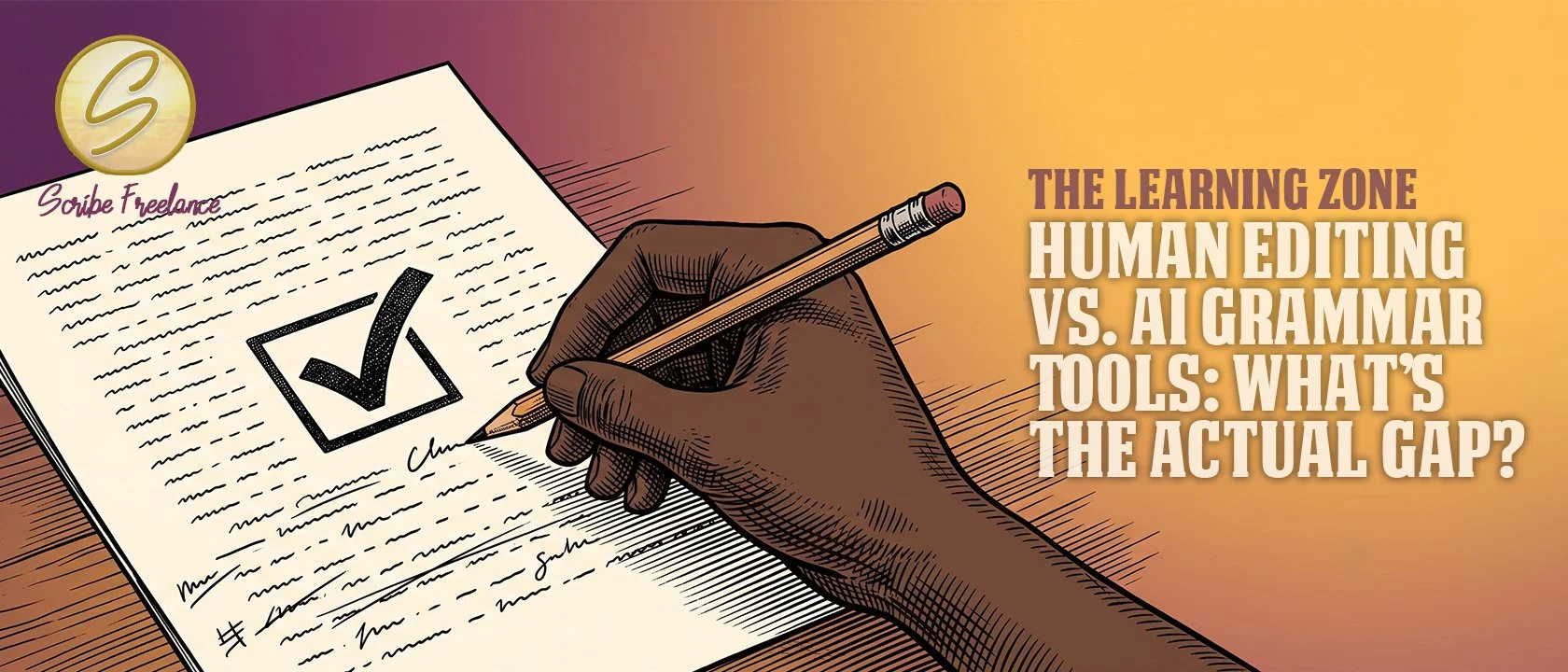
Human Editing vs. AI Grammar Tools: What’s the Actual Gap?
AI grammar tools are a genuinely useful first pass, not a substitute for editing. Here’s what they actually catch, what still needs a human editor’s judgment, and why clean isn’t the same as edited.
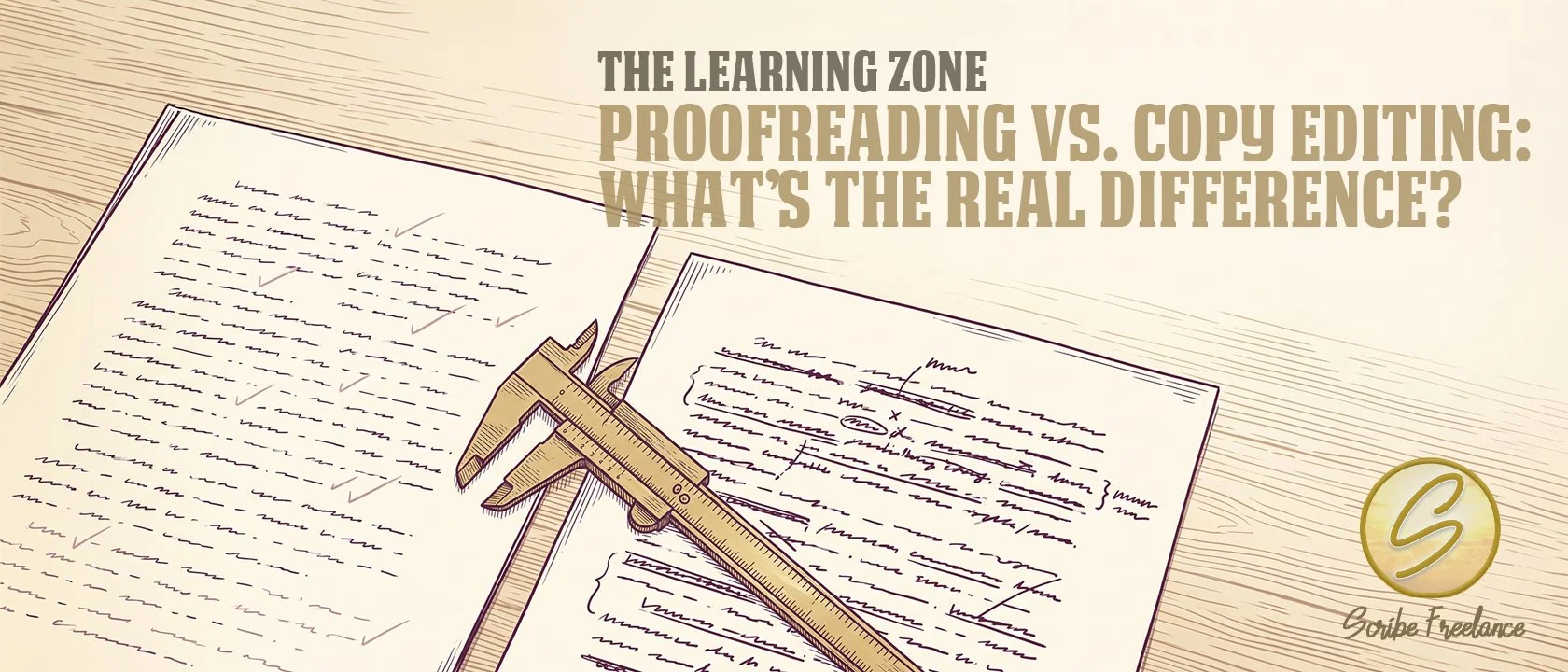
Proofreading vs. Copy Editing: What’s the Real Difference?
Proofreading and copy editing aren’t interchangeable, even though they sound close enough to blur together. Here’s the real, checkable boundary between what each one catches.
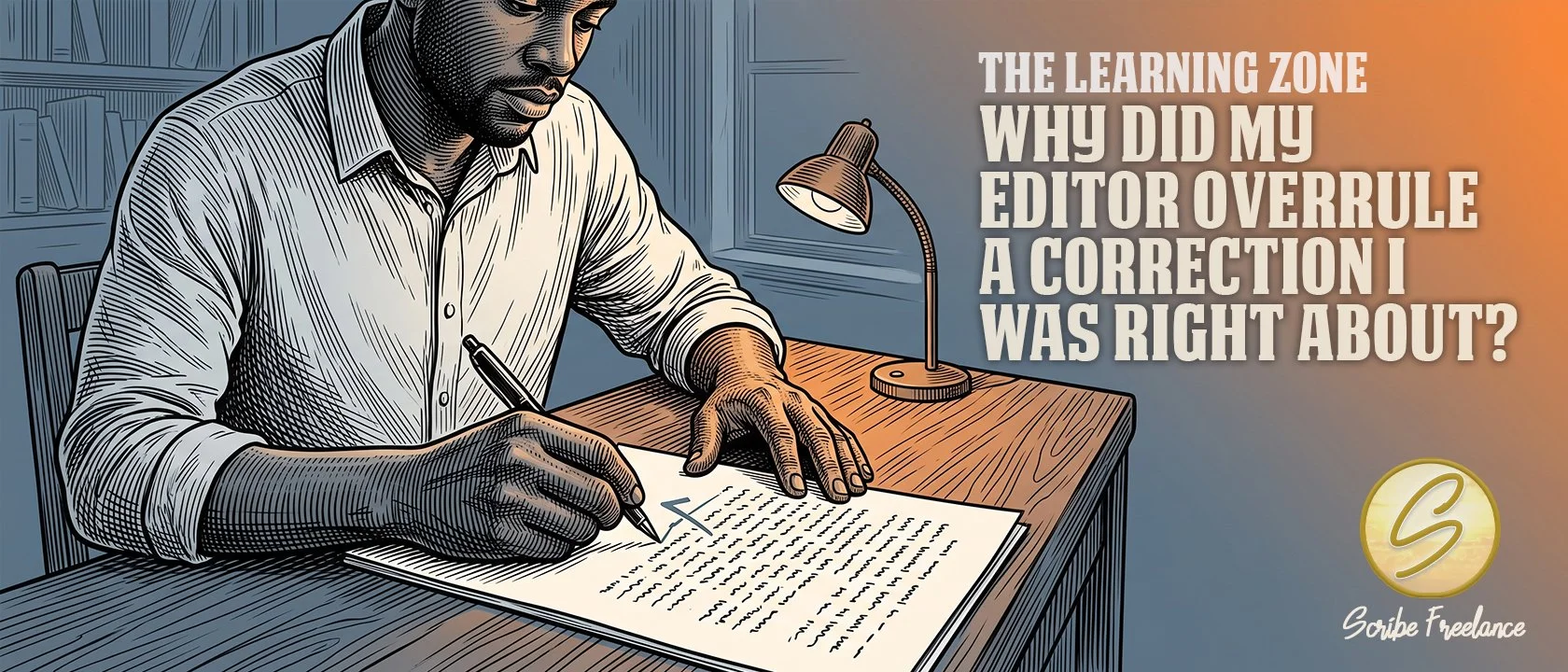
Why Did My Editor Overrule a Correction I Was Right About?
A correct, standards-based correction can still get overruled by your editor — and that’s not always a sign you were wrong. Here’s how to tell a real editorial disagreement from an objective miss that got ignored.
Why Does Editing Take Longer Than the Estimate I Was Given?
A flat editing estimate assumes an average manuscript — and yours might not be one. Here’s what manuscript density actually means, and why it can blow past a quote.
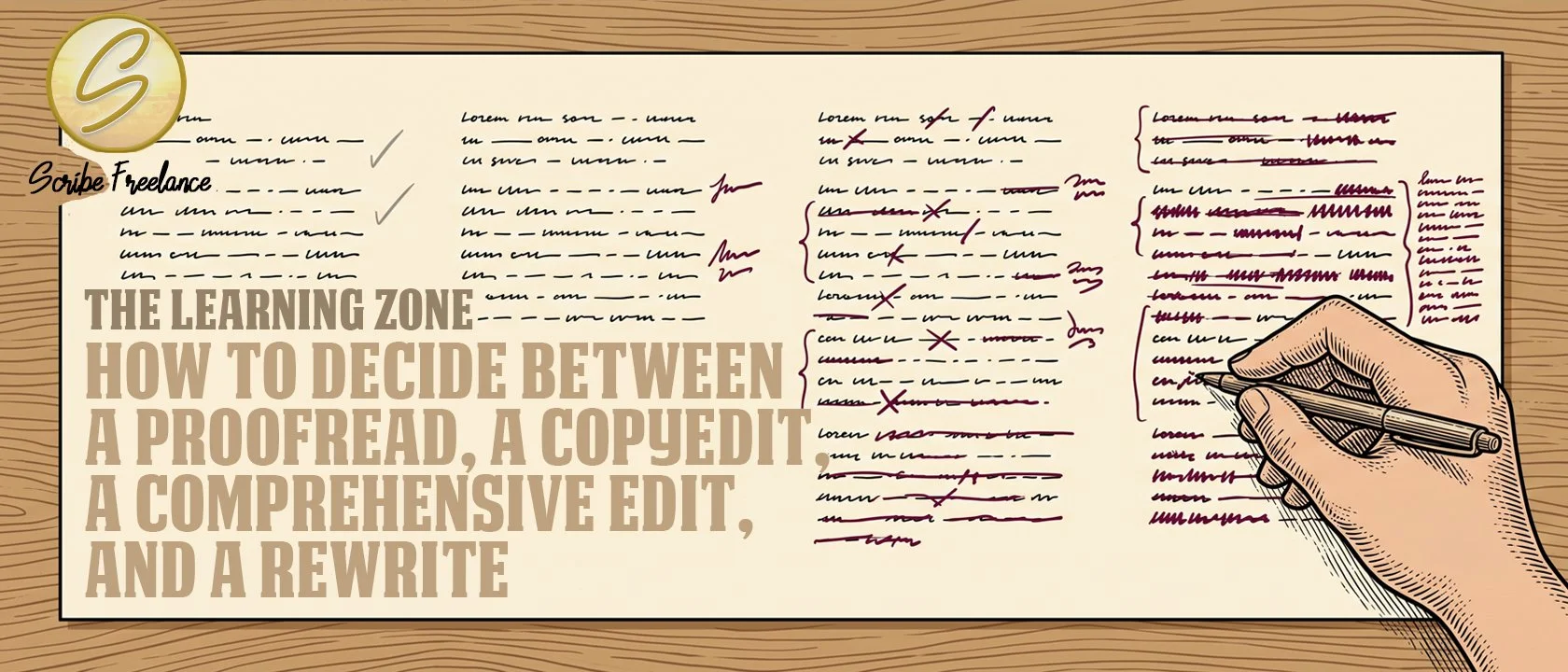
How to Decide Between a Proofread, a Copyedit, a Comprehensive Edit, and a Rewrite
The four editing tiers sound alike, but they aren’t interchangeable. Here’s how to tell which one your manuscript actually needs before you pay for the wrong one.
Why Did My Formatted Book Come Back With So Many Typos an Editor Missed?
A formatted book surfacing typos an editor missed usually means the file that reached layout wasn’t the final accepted version, not that editing failed. Here’s why a proofread after formatting still matters.