
How to Know Which Level of Editing Your Manuscript Actually Needs
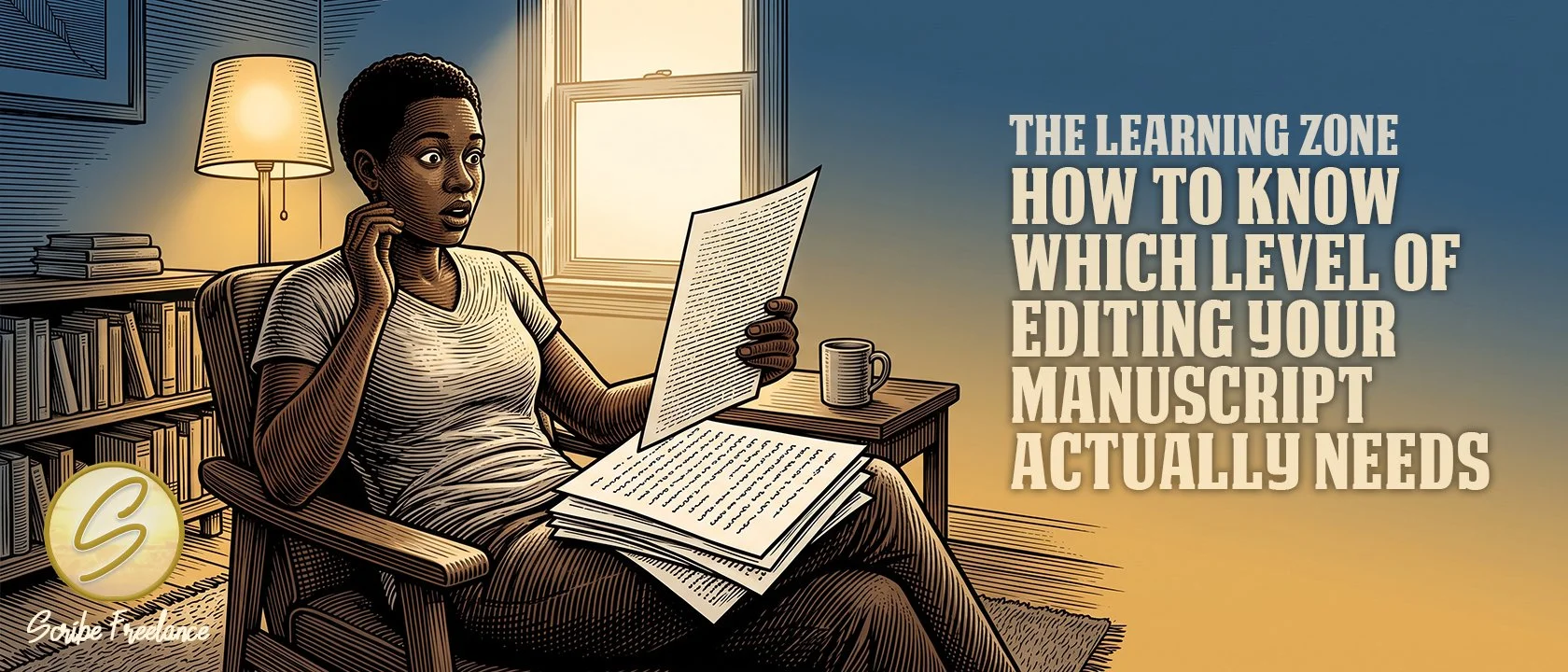
The gap between what you ask for and what the manuscript needs only shows up once someone actually reads the opening pages.
Most manuscripts don’t arrive labeled with the level of editing they actually need — the author has to guess, and “proofread” is almost always the first guess, whether or not it’s the right one.
I’m Daniel J. Middleton, and I’ve been on the formatting and editing side of book publishing for over two decades now — enough of them to stop being surprised by where things go sideways.
This piece walks through a quick self-check you can run before you ever request a quote, so the request itself starts closer to what your manuscript actually needs.
Why Do Most Authors Ask for a Proofread No Matter What Level of Editing Their Manuscript Actually Needs?
Because it’s the cheapest tier, and the least intimidating word. Nobody wants to hear their finished manuscript needs a comprehensive edit or a rewrite, so “proofread” is the request that feels safest to type into an email.
That instinct is understandable. It isn’t a diagnosis. What a manuscript actually needs isn’t about which word feels least alarming to ask for — it’s about what’s actually on the page.
What’s the Fastest Way to Check Whether Your Manuscript Needs More Than a Proofread?
Read your own opening pages — or better, hand them to someone else and watch them read cold. What you’re checking for shifts a little by genre, but the underlying question is the same: does a reader arrive with real context, or is the manuscript assuming they already have context it never actually gave them?
For a novel or a narrative memoir, that’s usually about scene-setting — orienting the reader before the story takes off. For a business book, a how-to, or a message-driven nonfiction title, it’s less about scene and more about whether the actual argument comes through clearly from the start, or whether a reader has to dig through several pages before they could say what the book is even claiming.
A few real signals worth checking for, on either side of that line:
It’s probably more than a proofread if: a novel or memoir launches straight into scene or dialogue with no orientation at all, a business or how-to book opens with tactics before the problem those tactics solve is ever framed, an academic or semantics-heavy work assumes context the reader doesn’t have yet, or — across any of these — a reader finishes those first pages still unsure what the author is actually arguing.
A proofread is probably the honest fit if: the story, argument, or message holds together end to end, and what’s left is really commas, tense slips, and the occasional clunky sentence — not structure.
A manuscript that opens with nothing orienting the reader — no context for who’s speaking, no problem framed before the advice starts, no throughline a reader could name back — is showing a structural problem. That’s not a typo-level fix, and no proofread is built to catch it.
What Happened When a Routine Proofread Turned Out to Need a Full Rewrite?
A friend and client sent me a finished manuscript PDF, not looking to publish, just curious about a proofread whenever I had time. It was a personal, faith-based narrative, written to get some long-held thoughts down on the page.
When we read the opening pages together, the problem showed up fast: the book launched straight into the story with no scene-setting at all. I told her as much, and suggested a stronger opening to give a reader some footing before the narrative took off.
She tried reworking that opening paragraph herself first. When it still wasn’t landing the way she wanted, she gave me free rein to do a full, comprehensive rewrite so her actual vision could come through clearly.
What arrives as “proofread whenever you get a chance” and what a manuscript actually needs can be two completely different requests — and the gap only shows up once someone actually reads the opening pages.
What Should You Do Once You’ve Checked How Your Manuscript Opens?
If your opening already does that work — the scene is set, the narrator is placed, or the core argument is framed early — a light pass, proofreading or maybe copy editing, is a reasonable place to start. If it doesn’t, that’s worth naming honestly before you request a quote, not after one comes back higher than expected.
How to decide between a proofread, a copyedit, a comprehensive edit, and a rewrite walks through the full four-tier framework in depth, once you’ve got a read on which end of that range your manuscript is actually sitting on. Checking your own first few pages this way doesn’t replace that framework — it just means you show up already closer to the right answer, instead of guessing at whichever tier word sounds cheapest.
If you’d rather skip the guessing altogether, the service rates page breaks down what each editing tier actually covers.