

How to Work With an Editor and a Formatter as Two Separate Vendors
The flag that survives a two-vendor handoff isn’t the one caught quietly — it’s the one routed to the person who can actually act on it.
When your editor and your formatter never talk to each other directly, you become the only line between them — and whatever gets lost in that relay is the part nobody catches until the book is already at press.
My name is Daniel J. Middleton, and after over two decades of editing and designing books for authors and publishers, I still start every project the same way — find out what’s actually broken before touching anything.
This piece walks through how to structure that handoff, so a genuine coordination gap between two vendors doesn’t cost you time, money, or a clean final file.
Why Does Feedback Get Lost When an Editor and a Formatter Never Talk Directly?
Because you’re the only channel carrying it. An editor flags something in the manuscript, you forward it to the formatter in your own words, and whatever the editor actually meant has already gone through one layer of translation before the formatter ever sees it.
That’s not a knock on either vendor. It’s what happens by default when two people working on the same book have no direct line to each other. The person standing between them isn’t a professional editor or a professional formatter — they’re the author, doing their best with someone else’s technical note.
Do that enough times across a project, and small distortions stack up: a correction applied to the wrong paragraph, a formatting fix that undoes an editorial one, a flag that never gets relayed at all because it didn’t seem important enough to mention.
What Keeps an Editor and a Formatter Looking at the Same File Instead of Two Different Ones?
One shared source, not two parallel copies. If your editor and your formatter are each working from whatever version you happened to forward them last, you’ve already got two files that can drift apart without either vendor knowing it.
How to move an edited Word manuscript into a print-ready formatted file covers the technical side of that handoff — how corrections actually get into a layout file cleanly. This piece is about the coordination side: making sure the two vendors doing that work know they’re looking at the same thing, and know how to reach each other when something’s wrong.
Who Should Flag What Between an Editor and a Formatter?
Decide this before either vendor starts, not partway through the project:
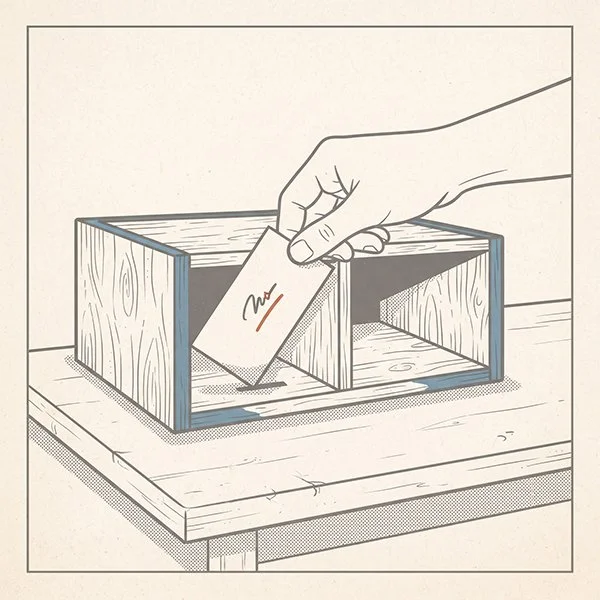
If your editor spots a layout problem — a heading style that doesn’t match the rest of the book, a spacing issue that survived into the final file — that flag should go to the formatter directly, not get buried inside a general editorial note you have to interpret yourself.
If your formatter spots a content issue — a typo, a continuity slip, something outside their actual scope — that flag should go back to the editor, named specifically, instead of getting quietly fixed or quietly dropped.
Neither vendor is stepping on the other’s job by flagging something outside their own lane. They’re doing the part of the job that only works if it actually gets routed to the right person.
What Happened When a Formatter Caught Typos That Weren’t His to Fix?
A client named Clarissa hired me as the formatter for her book, Imperial Turtles of Rome. Formatting was my job on that project — not editing. Her actual editor, Dorethea, was a separate vendor I don’t work for and wasn’t in contact with day to day.
While I was laying out the interior, I caught typos that weren’t scoped for my project at all. They belonged to Dorethea’s side of the work, not mine. I flagged them anyway, because staying quiet about them would have meant a mistake both of us could have caught going to print instead.
That’s the coordination problem this piece is really about — not whether one vendor can outperform the other, but what happens the moment one of them notices something that belongs to somebody else’s job.
Clarissa didn’t have to relay my note back to Dorethea in her own words and hope it landed the way I meant it. I could name exactly what I’d seen and where. That’s the difference between a flag that survives the handoff and one that gets lost in it.
What Should You Set Up Before You Hire an Editor and a Formatter Separately?
Before either vendor starts work, put a few things in place:
One shared file or folder both vendors work from, not separate copies forwarded by you.
A written agreement on who flags what, settled before either vendor starts — not worked out ad hoc the first time someone spots something outside their own lane.
Your own role, clearly limited to relaying, not translating — pass a flag along the way the vendor stated it, instead of paraphrasing a technical note into something that might drift from what they actually meant.
None of this requires your editor and formatter to be the same person, or to be in constant contact with each other. It just means the two of them aren’t depending entirely on you to catch what falls through the gap between their two jobs.
If you’re getting ready to bring an editor and a formatter onto your own project, the get-started page is the place to lay out what each side of the work actually needs.