

How to Handle Author Revisions After Formatting Has Already Started
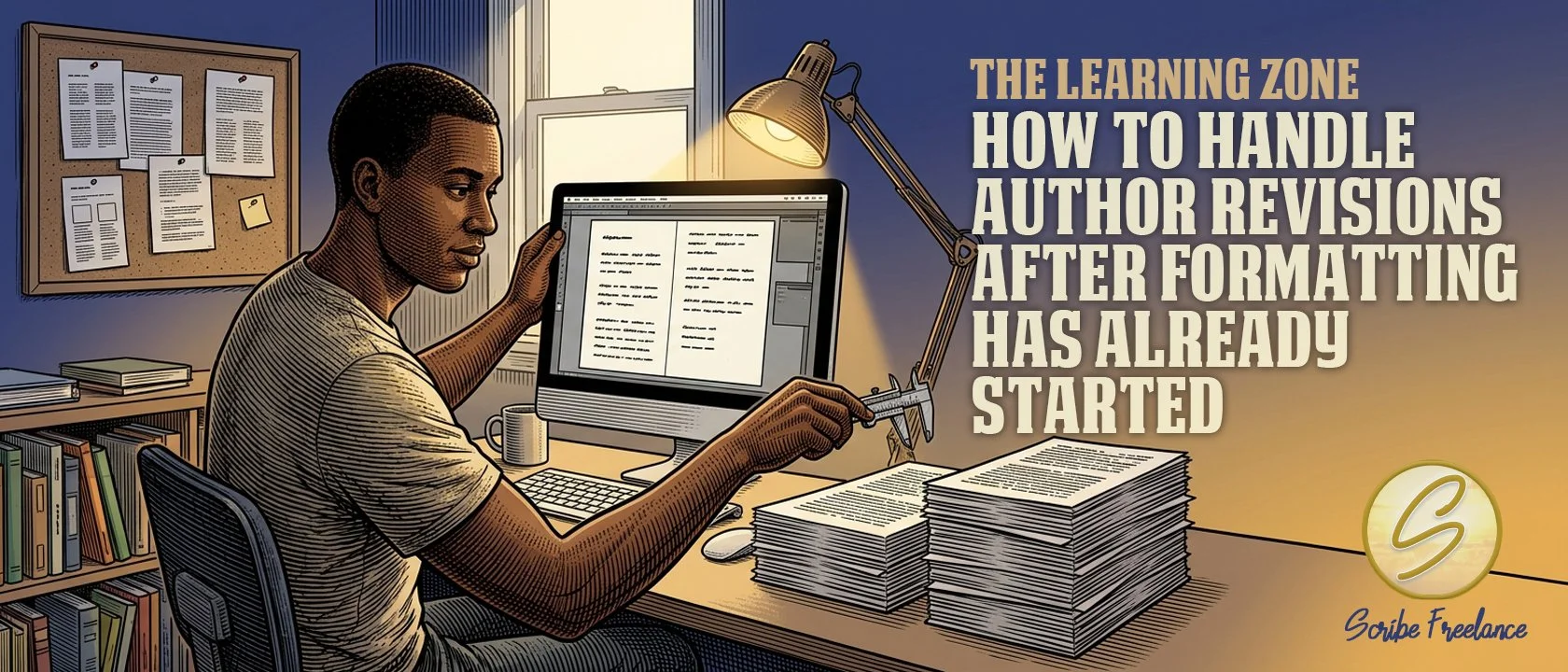
The gap between what a late change looks like on the screen and what it actually does to the book only shows up once someone measures it.
A revision request that lands after a manuscript is already laid out rarely sounds like a big deal to the author asking for it — swap a word, tweak a paragraph, maybe drop in one new page. Handling it well means treating that request as a layout change that needs its own verification pass afterward, not just a quick edit to wave through.
My name is Daniel J. Middleton — I’ve spent over two decades in book design and editing, long enough to know most “mistakes” are really a process nobody walked the author through.
This piece walks through why a late change ripples the way it does once layout’s already underway, and exactly what that verification pass needs to check before the file can be trusted again.
Why Doesn’t a “Small” Late Change Stay Small Once a Book Is Laid Out?
Because a laid-out file isn’t just text anymore — it’s text locked into a specific page count, with headers, page breaks, and cross-references all keyed to exactly where things currently sit. Change one of the variables underneath that, and everything downstream of it can shift.
Font size adjustments — even a single point smaller or larger — reflow every line after the change, not just the paragraph it was made in.
Spacing tweaks — leading (the vertical space between lines), paragraph spacing, before and after settings — compound across hundreds of pages the same way font size does.
Added elements — a table of contents, a new chapter, an extra image — push everything that follows it to a new position.
None of that shows up as a problem until the change is actually made. That’s exactly what makes it worth naming before a revision request goes in, not after.
What Happened When a One-Point Font Change Shifted an Entire Book by Ten Pages?
The On Reading project — published through the Institute of General Semantics, written by Corey Anton — is a clean, real example of exactly this. Corey wanted the body font stepped down slightly, from 13pt to 12pt, late in the layout process, and was told upfront that the page count would shrink somewhat as a result. He signed off on that before it went in, at the same time a table of contents was being added in the same pass.
That single point size, plus one new front-matter element, took the book from 138 pages down to 128 — a full ten-page swing, well past what “somewhat” suggested going in.
A change that sounds cosmetic on the page is a structural one once the file’s already laid out.
Neither change was wrong to make — Corey had already agreed to the font change, and the new front matter added real value. What was still missing going in was the same thing every late change needs: a real check afterward that confirms the actual scope, not just the general direction everyone already expected.
What Should an Author Actually Expect After Requesting a Late Revision?
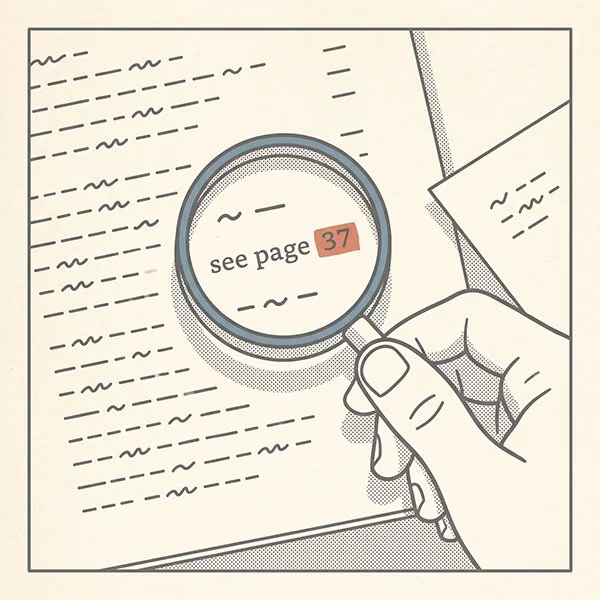
A verification pass, not a quick fix-and-move-on. Once a change goes into a laid-out file, a few specific things need to be confirmed before that file can be trusted again:
Page count — did the total shift, and does that shift line up with what the change should have actually caused?
Running headers and footers — do they still match the content on the page they’re attached to?
Cross-references — any “see page X” reference, index entry, or table of contents link that pointed at a page number now has to be checked against the new layout.
Indexing is always the very last step in a normal production sequence — that’s specifically what keeps it from ever needing a second pass. If a change to the book block comes in after the index is already built, though, the index doesn’t get a pass either: it has to be checked against the new pagination the same as any other cross-reference.
How to move an edited Word manuscript into a print-ready formatted file covers the broader version of this same discipline — keeping a laid-out file’s integrity intact through any handoff, not just a late revision specifically. A late change is really a second version of that same risk, arriving after the first handoff’s already done.
Are Late Revisions Something to Avoid, or Just Something to Plan For?
Late revisions are normal, and they get handled all the time. The point here isn’t to talk an author out of asking for a fix once their book’s already laid out — it’s to set the right expectation for what that fix actually involves once it’s requested: a real verification pass, not just the one line that changed.
The request itself is rarely the problem. Skipping the check afterward is.
If you’re getting ready to move your own manuscript through layout, the design portfolio shows the kind of finished work that process protects.