

Why Does My Book Cost More to Print Than I Expected on IngramSpark?
The manuscript weighs more than the author planned, and IngramSpark charges for every page of it.
Print cost on IngramSpark comes back higher than expected for one reason almost every time: it isn’t a flat per-book number, it’s a formula built from page count and trim size, and neither one usually gets checked until the file is already finished. The surprise isn’t hidden pricing — it’s late math.
I’m Daniel J. Middleton — I’ve spent about two decades designing books for indie authors and publishers, and this is one of the most common post-facto surprises I see in production work across KDP, IngramSpark, and Lightning Source. Not because the cost is a secret, but because it gets calculated after decisions that already fixed the number — a trim size picked for how it looks on a shelf, a manuscript that grew by forty pages during a late edit pass. Neither one gets run back through the calculator before the file is locked.
This article covers how IngramSpark actually calculates print cost, why page count and trim size move that number more than anything else, and how to get the real figure before the file is finalized instead of after.
Why Is My Print Cost Higher Than I Planned On IngramSpark?
IngramSpark doesn’t price a book — it prices a formula. Page count, trim size, binding, paper, and interior color all feed into that formula, and changing any one of them after a price was already in mind is what produces the “why is this so much more” moment. The cost was never fixed. It was just calculated once, early, and never revisited.
How Does IngramSpark Actually Calculate Print Cost?
The formula itself is simple: cost per page, multiplied by page count, plus a fixed cost per unit for trim size, binding, and paper. A black-and-white paperback in a standard trim is the cheapest starting point. Hardcover binding and color interiors both raise the fixed side of that equation before a single page is counted.
IngramSpark’s print cost isn’t one number — it’s page count times a per-page rate, plus a fixed cost set by trim size, binding, and paper, recalculated every time one of those changes.
Interior color is worth flagging on its own: standard or premium color runs several times the per-page rate of black-and-white, so a heavily illustrated book can end up with a print cost multiple times higher than a same-length text-only title in the same trim.
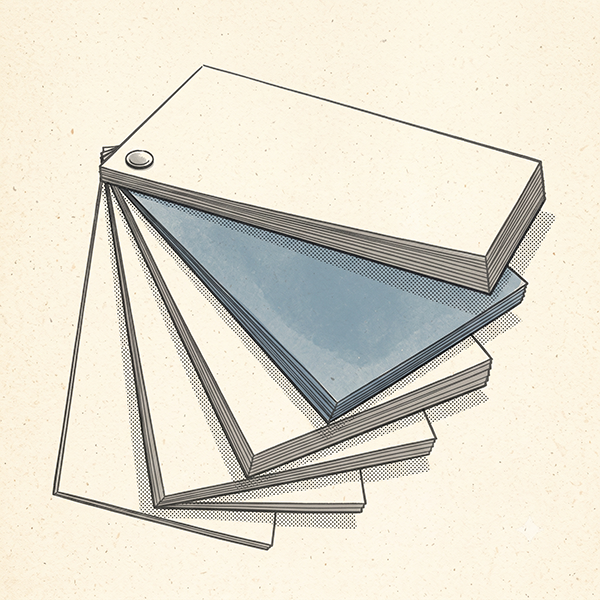
Paper weight moves the number too, and it’s easy to miss since it doesn’t feel like a formatting decision. IngramSpark’s standard black-and-white interior runs on 50lb paper by default, but stepping up to 70lb white — often chosen for a less see-through page, or required once color enters the picture — adds a real per-page premium on top of whatever the ink already costs. It’s a small-sounding upgrade that compounds the same way page count does: once per copy, on every copy.
Paperbacks have their own printed-inside-cover option worth flagging, since it’s the one that actually comes up in production work regularly: IngramSpark’s Duplex cover setting prints on the inside of the front and back cover instead of leaving it blank card stock. It needs its own extra file and adds a real per-unit cost — small on its own, but easy to forget when a first estimate assumed a standard, unprinted inside cover.

Hardcover has a similar, pricier upgrade that’s worth knowing about even though it comes up far less often in practice: IngramSpark’s jacketed case laminate option lets an author print a custom design on the board underneath the removable dust jacket, instead of leaving it a plain color. It looks sharp, but it’s a rare choice in real production work — most projects don’t call for it, so it’s worth budgeting for deliberately rather than assuming it comes bundled with a dust jacket. It’s also currently unique to IngramSpark’s hardcover format — KDP’s hardcover is case laminate only, with no dust jacket option at all, and Lightning Source’s own current specifications list case laminate and dust jacket as separate hardcover formats, with no printed-board-under-jacket configuration between them.
Why Do Page Count and Trim Size Move the Number So Much?
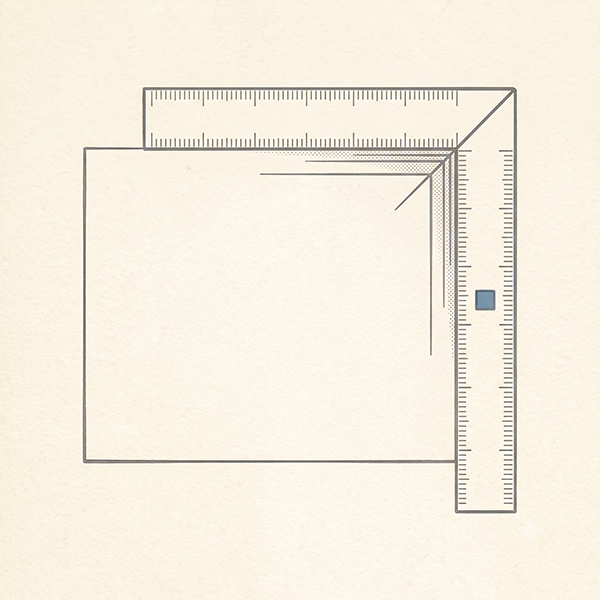
Page count sits on the variable side of the formula, so every page added is added cost, permanently, on every copy sold. A manuscript that grows during editing — a new chapter, an expanded appendix — changes the print cost the same way it changes spine width, and it’s easy to lock in a retail price before that growth gets reflected anywhere.
This is the same underlying pattern behind a related problem: page count quietly feeding a number the author assumed was fixed, covered in why gutter margins swallow text near the spine, where the culprit is the inside margin instead of the print cost. Different number, same root cause — page count treated as static when it isn’t.
Trim size compounds this from the other direction. A larger trim raises the fixed base cost, and depending on how the manuscript reflows into that trim, it can also change the final page count for the exact same text — moving both sides of the formula at once.
How Does This Compare Across KDP, IngramSpark, and Lightning Source?
KDP and IngramSpark run similar formulas — a base cost plus a per-page rate — and land close to each other on a straightforward black-and-white paperback, with IngramSpark typically coming in slightly higher on comparable specs. IngramSpark and Lightning Source share the same production network and much of the same underlying rate logic, though Lightning Source serves established publisher accounts rather than the indie-author account type IngramSpark is built around.
These exact rates shift — IngramSpark adjusted its production pricing within the past year — so treat any specific number as something to confirm against the current print cost calculator rather than a figure to memorize and reuse.
One more distinction worth making explicitly: print cost and wholesale discount are two separate deductions that both come out of list price, not one combined number. Print cost is what the press charges to manufacture the book. Wholesale discount is what a bookstore or retailer takes for stocking it. Conflating the two is its own way to end up surprised at what’s actually left over.
How Do You Calculate the Real Cost Before You Finalize a File?
Lock trim size and page count first. A print cost run against an unfinished manuscript isn’t the real number, it’s a placeholder.
Estimate with a buffer, not a single number. Build the first pass around a slightly higher page count than the draft currently sits at, since manuscripts creep, and leave room for the per-page or per-unit rate itself to move before the book is finished — that’s happened to other authors and publishers mid-project, not just from one year to the next.
Rerun the calculator after any edit pass that changes page count. A chapter added late in revision is a chapter added to the print cost, on every future copy.
Keep print cost and wholesale discount as separate line items. Both reduce what’s left of the list price, but treating them as one combined guess is how the real number gets missed.
Check the number in every market the book will actually sell in. IngramSpark’s print cost isn’t identical across US, UK, EU, and other regional pricing.
What’s the Real Decision Once the Print Cost Is Known?
The print cost number itself isn’t the finish line — it’s the input for the decision that actually matters: whether the retail price already in mind still leaves a workable margin once that number is confirmed, especially at the wholesale discount needed for bookstore reach. That’s worth settling before the interior file is locked, not after the first royalty statement comes back thinner than expected.
If a project is sitting at the trim size or page count stage and the print cost math isn’t adding up the way it should, get in touch and we can run the real numbers before the file gets locked.